 Fetal Medicine & Obstetric Ultrasound
 Gynaecology Imaging
 General Ultrasound
 Colour Doppler
 Digital X-Ray
 Procedures
 Endoscopy Services
Advanced Gynaecology Imaging & Pelvic Sonography in Jaipur
Precise pelvic and reproductive imaging is vital for evaluating menstrual irregularities, pelvic pain, ovarian cysts, uterine fibroids, and infertility. At Niya Imaging & Diagnostic Center in Mansarovar, Jaipur, our dedicated women's health diagnostic unit offers high-frequency 2D and 3D endovaginal sonography (TVS), follicular tracking, and specialized reproductive assessments conducted in a private, gentle, and comfortable environment by experienced radiologists.
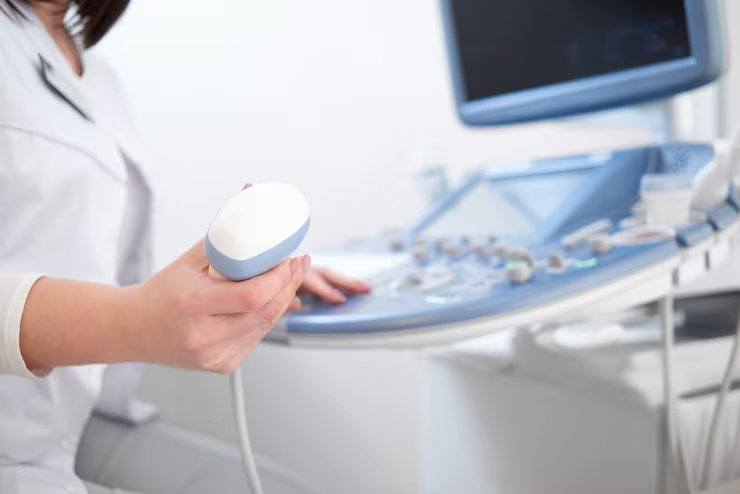
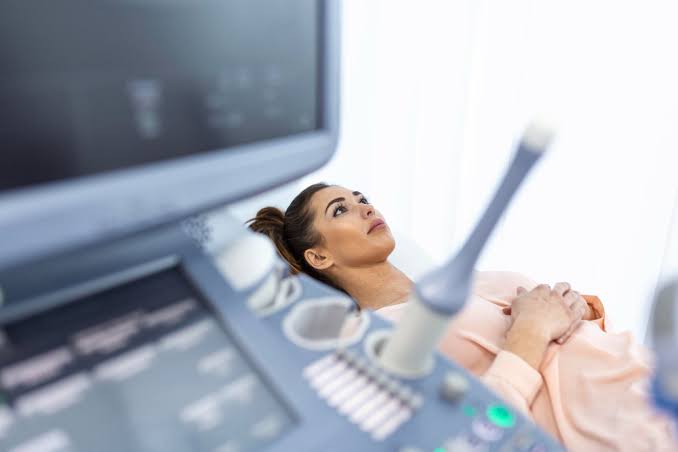
What is Transvaginal Sonography (2D & 3D TVS)? Transv.... Know More
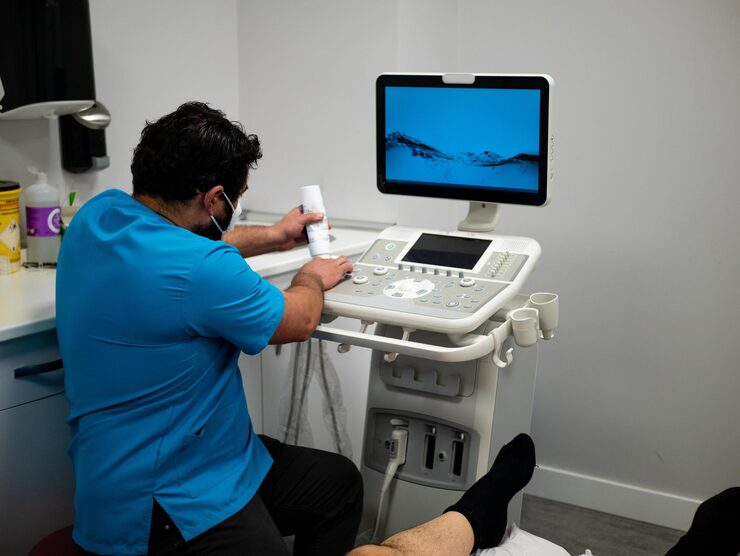


What is Hysterosalpingography (HSG / SSG)? Hysterosalping.... Know More
Comprehensive Diagnostic Solutions for Women
Gynecological sonography provides critical insights into the structure and vascularity of the female reproductive system. Whether evaluating causes of chronic pelvic discomfort, polycystic ovarian syndrome (PCOS), abnormal uterine bleeding, or planning fertility treatment, our high-resolution equipment delivers unambiguous diagnostic clarity.
Specialized Gynecological Scans Offered
Transvaginal Sonography (2D & 3D TVS)
High-resolution internal scan offering exceptional visualization of the endometrium, uterine cavity, and ovaries with minimal bowel interference.
Follicular Monitoring (Ovulation Tracking)
Serial ultrasound examinations tracking follicle maturation, endometrial lining readiness, and exact ovulation timing for natural or assisted conception (IUI/IVF).
Pelvic Ultrasound (Transabdominal)
Non-invasive full-bladder scan ideal for adolescent girls and general pelvic evaluations to check uterine size, ovarian cysts, and pelvic masses.
Hysterosalpingography (HSG / SSG)
Specialized imaging test to verify fallopian tube patency (blockages) and assess the uterine cavity for polyps or congenital septum.
Uterine & Ovarian Assessment
Detailed profiling of fibroids, adenomyosis, ovarian dermoid cysts, and polycystic ovarian morphology (PCOS).
Endometriosis Mapping
Targeted ultrasound to detect deep infiltrating endometriosis (DIE), adenomyotic nodules, and pelvic adhesions.
How to Prepare for Gynecological Imaging
| Investigation | Preparation Guidelines |
|---|---|
| Transabdominal Pelvic Ultrasound | Requires a fully distended urinary bladder. Drink 3 to 4 glasses of plain water 1 hour prior to your scan and do not void urine until the scan is completed. |
| Transvaginal Sonography (TVS) | Requires an empty bladder. You will be asked to use the restroom right before the examination begins to ensure maximum comfort and probe proximity. |
| Follicular Study Series | First baseline scan is usually scheduled on Day 2 or Day 9 of your menstrual cycle, followed by periodic scans every 1 to 2 days until follicle rupture is confirmed. |
Frequently Asked Questions
Schedule Your Gynaecological Ultrasound in Jaipur
Private, female-friendly diagnostic care with prompt reporting. Call or book your consultation today.